Crew job photos turn into local search visibility when the job address, not the photo's GPS, becomes a structured post on your own website that search engines can read. The photo is the proof. The address is the location signal. The post connects them in a way a phone gallery cannot.
The problem: finished work sits in phones
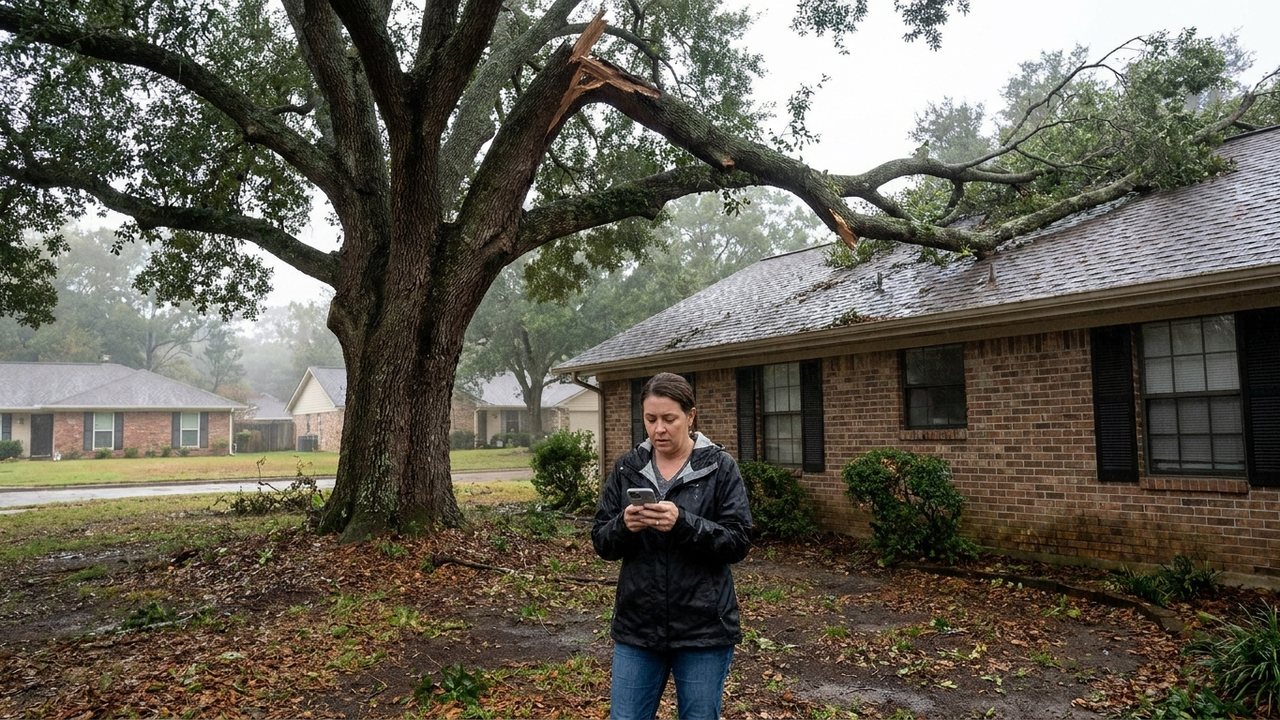
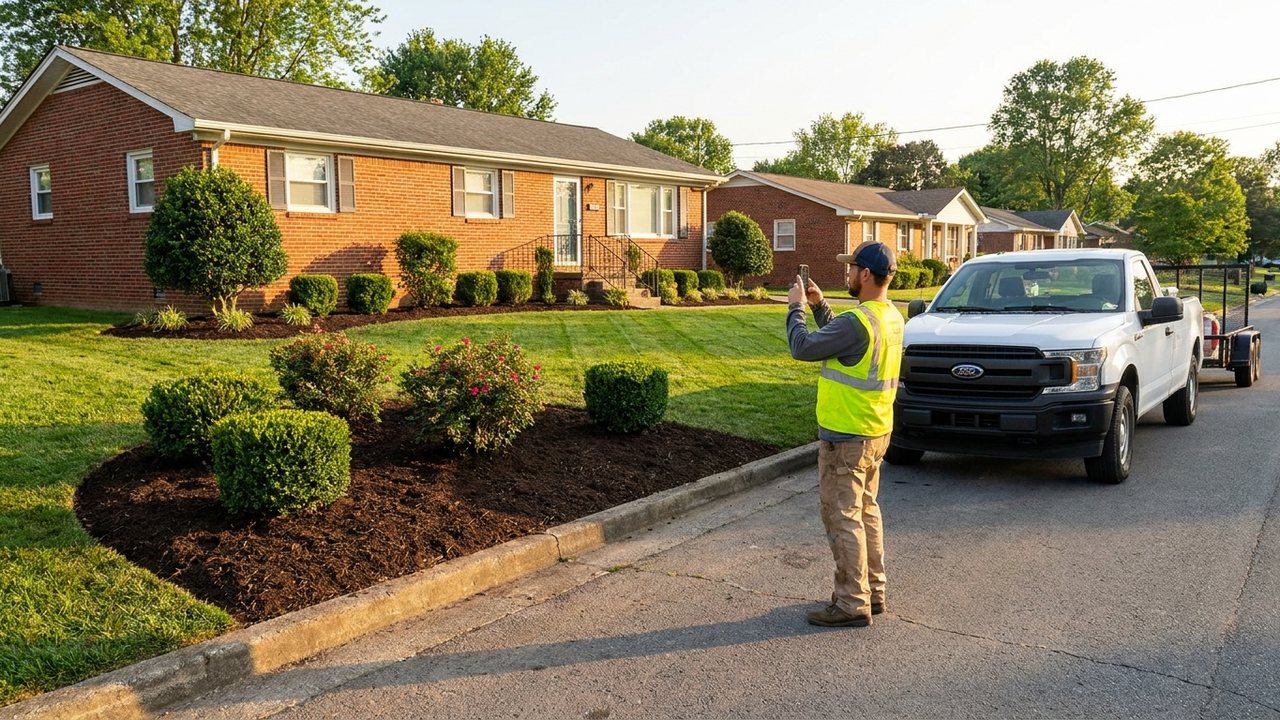
Every week your crews produce the best proof you are the local expert. A finished retaining wall. A clean removal. A turf program that greened up a tired lawn. Those photos sit in phones or get sent through a group text. They never become part of your website, your Google presence, or your answer to "who does good work near me."
Search engines cannot see a phone gallery. They can see a page on your own website with the photos, the service, the town, and the address-level location. That page is a GeoPin.
What a GeoPin is
A GeoPin is a short post on your own website for one finished job. It includes the photos, the service you performed, the town or neighborhood, and the address-level location. Behind the scenes it carries structured data that search engines read to understand the location, the business, and the service.
A GeoPin is not a social media post. It is a page on your own domain that Google can index, that your business name attaches to, and that connects the finished work to a place. That page is the bridge between the proof in your crew's phone and the answer a search engine can give a homeowner.
The job address is the source of truth, not the photo's GPS.
Why the job address matters more than photo GPS
Photos get taken in the truck, at the shop, or at the next job. If you rely on the photo's GPS, the pin lands wherever the phone was, not where the work happened. That can pin a job at your yard instead of the homeowner's street. The result is a local search signal that confuses search engines and sends the wrong location.
The job address is the source of truth. When a crew finishes a job, the office already has the address in the job record. Attaching the photos to that address makes the location reliable. Then the content on the page includes your name, address, phone, the service, and the city. That is what local search actually ranks. A decimal coordinate from a phone photo is not the ranking signal. The address is.
Crews do not need a new app
Crews already have a phone. They can shoot with the phone camera, and it works with no signal. When they are back in coverage, they open a browser and submit the batch of photos for the day. There is no new app to install, no login to forget, and no extra seat fee per tech. The office side matches the photos to the job address.
This matters because the crew will not adopt a tool that slows them down. If the process adds ten minutes at the end of the day, it fails. A browser submission after the last job works because it uses the phone they already have.
Privacy: keep the homeowner out of the headline
You do not need to publish the homeowner's name or the exact street number in public. Use the town or street-level location and skip names. The local search benefit comes from the city, the service, and the consistency of the business details. You can keep the address-level data in structured form without printing it on the page if you want.
A steady cadence beats a burst
One GeoPin from one job proves almost nothing. Ten GeoPins published all at once after a slow winter looks like spam. A steady cadence, one or two a week, tells search engines that your business is active in the service area. It also gives you fresh content without writing blog posts from scratch.
The same rule applies to Google reviews. One a week is better than twenty in a day.
How to start manually this week
You can start without WillowGreen.
- Pick this week's three best job photos from a finished job.
- Write down the service, the town, and the street-level location.
- Create a simple page on your website with those photos and that information.
- Add a paragraph that reads naturally, like "Tree removal completed last week in the Oakview neighborhood of Franklin."
- Add basic structured data or use a plugin that supports local business or job posting schema if you are comfortable.
- On the next job, do it again.
If you do that every week for a month, you will have four pages of real local proof that did not exist before.
Where WillowGreen fits
GeoPins already run in the InGen core. WillowGreen is shaping the crew capture for green crews with its founding clients. The goal is the browser submission without a new app, the job address as the source of truth, and the page created behind the scenes so the office does not build it by hand. WillowGreen is in build for its first founding clients. It is not live yet.
If you want to help shape how green crews capture finished work and turn it into local visibility, become a founding client.